

At the time President Donald Trump advanced the narrative that reduced Nigeria’s complex security challenges to a so-called Christian genocide, I raised a fundamental question: if Washington now claims to speak on behalf of Nigerian Christians, who then speaks for Nigerian Muslims?
I warned of the dangers inherent in losing our shared humanity by framing Nigeria’s insecurity through a single religious lens. While Christians have undeniably been victims, Muslims have arguably borne an even heavier burden of insecurity across vast parts of the country. Any honest assessment must acknowledge this reality.
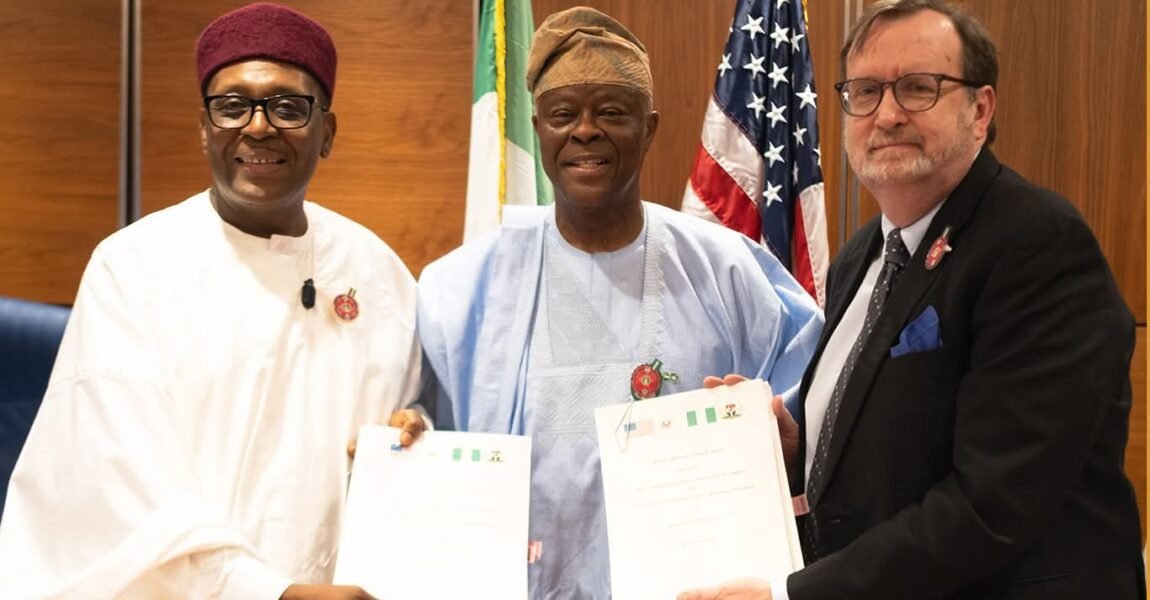
It is therefore disappointing to learn that the United States has signed a bilateral health Memorandum of Understanding with the Federal Republic of Nigeria under an “America First Global Health Strategy,” with a specific emphasis on supporting Christian faith-based healthcare providers. This initiative appears to be a calculated attempt to deepen religious fault lines within our society. It is preposterous in both intent and implication.
Religion and ethnicity have long been exploited by the ruling class to consolidate power. It is troubling that Western interests are now employing similar tactics to advance economic and political influence over developing nations like ours. Even more concerning is the willingness of President Bola Ahmed Tinubu’s administration to embrace such arrangements, regardless of their implications for national cohesion. A government without a clear, homegrown vision for addressing Nigeria’s socioeconomic challenges is often eager to accept any form of “cooperation,” even when it undermines unity.
READ: Questions Nigeria Must Confront After the U.S. Airstrike
This faith-based healthcare initiative risks entrenching identity politics and creating deeper structural problems than it purports to solve. Nigeria’s progress cannot be anchored on partnerships that divide its people along religious lines.
Ultimately, we must elect leaders guided by a clear national ideology—one that defines progress on our own terms. We must resist entering partnerships that erode social cohesion, even when they are presented under the guise of assistance or cooperation.
-Francis Onyema, 2027 presidential aspirant